I design and operate marketing systems.


Behaviour-led.

Scalable.

Built for complexity.

ÂŁ100k

annual marketing budget governed

50%

reduction in cancellations through lifecycle and retention design

20+

marketing assistants and contributors line‑managed across programmes

ÂŁ1.2m

income stabilisation during organisational change

147%

programme scale achieved without redesigning workflows
(Participation grown from 700 to 1,730+ through systems)

-29.7%

reduction in marketing spend while delivery and outcomes increased from ÂŁ54.2k to ÂŁ38.1k in 2025

ÂŁ31,371

highest monthly Direct Debit achieved after structural reset with +40 net members gained

15+

social media accounts managed across 6 platforms

0

downtime during institutional leadership transition

Case Studies
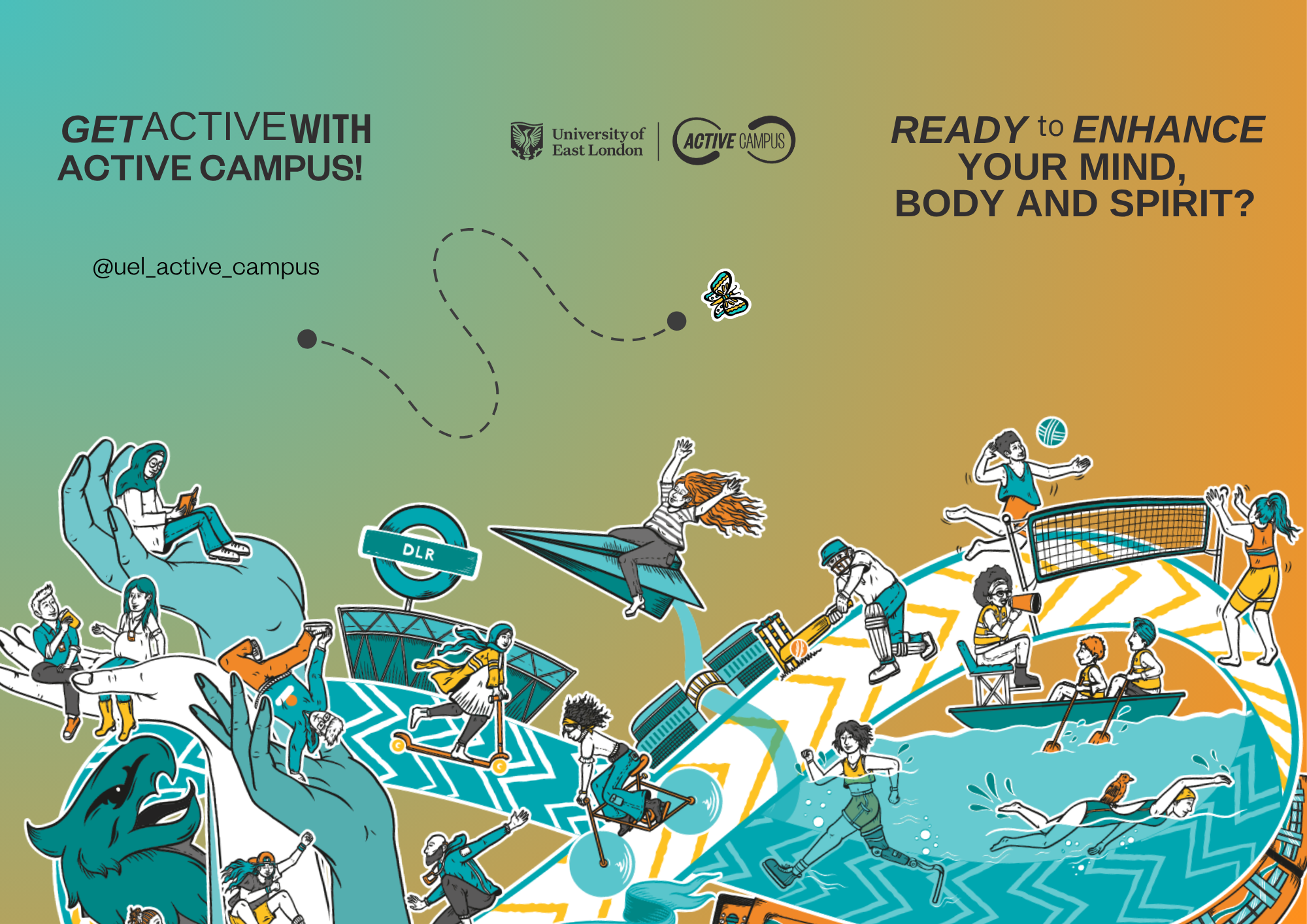
Inclusion & Wellness Transformation, Student Engagement and Retention

Community, youth aspiration and social impact
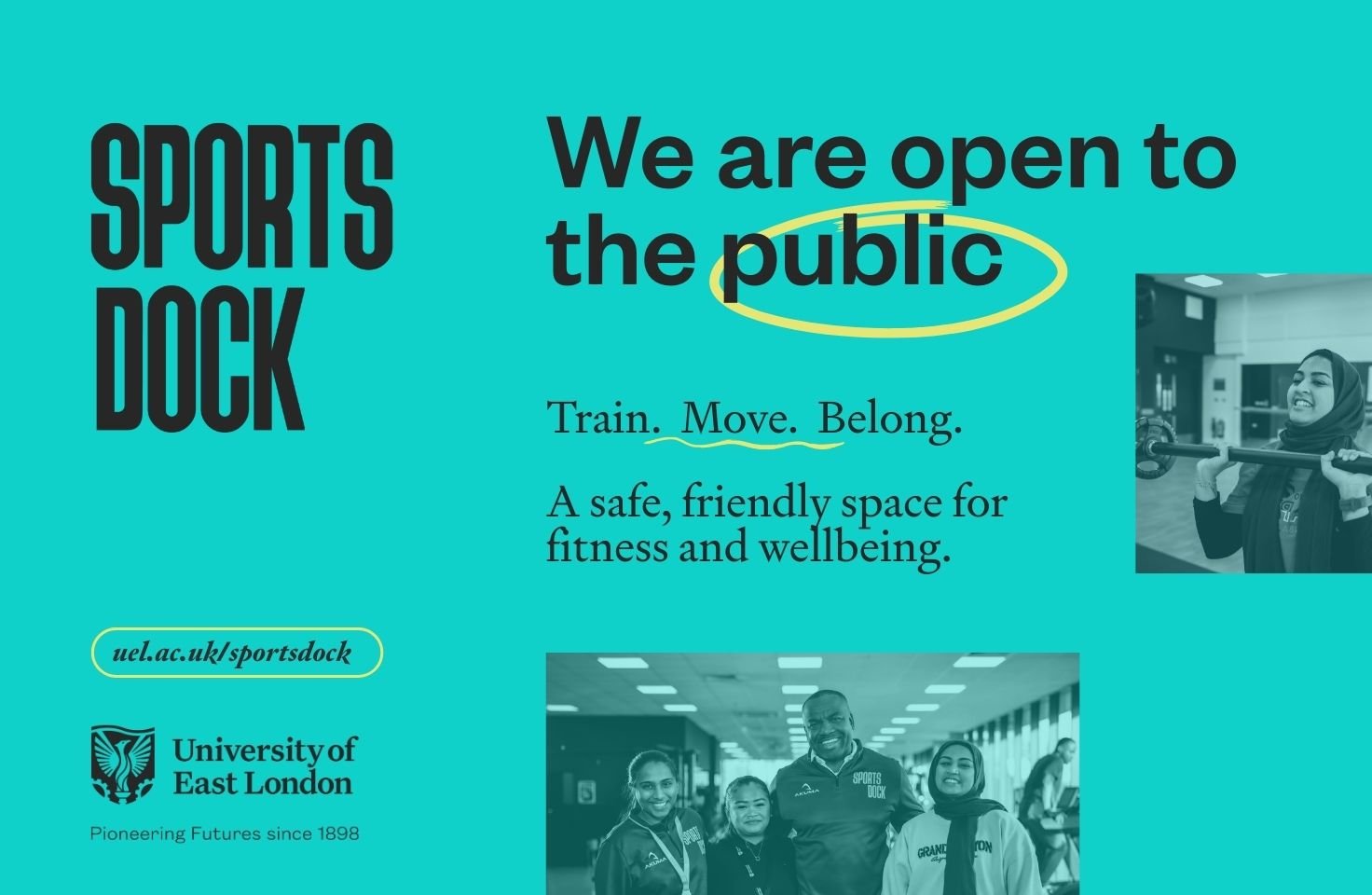
Re-Brand, membership and revenue growth and market recovery

Work

How I run campaigns

I design repeatable operating models rather than campaign‑specific solutions. With Focus on designing measurement systems that support real operational choices - what to scale, what to stop, where to intervene, and when to hold steady.

I built structures that allow marketing systems to operate predictably - even as complexity increases, teams change, and priorities shift.

How I execute comms plans

Design systems that convert awareness into intent, intent into participation, and participation into retention. My work on systems that manage people before, during, and after engagement.

I built structures that allow marketing systems to operate predictably - even as complexity increases, teams change, and priorities shift.

How I lead behaviour and perception shift

Design systems that convert awareness into intent, intent into participation, and participation into retention. My work on systems that manage people before, during, and after engagement.

I built structures that allow marketing systems to operate predictably - even as complexity increases, teams change, and priorities shift.

My work in Creative Systems focuses on designing the operational conditions that allow creative output to be produced at volume, at speed, and with consistency — without compromising brand integrity or overloading teams.

Focus on keeping marketing systems functional when conditions are not - during periods of organisational transition, shifting priorities, constrained capacity, and high scrutiny.
My work in Creative Systems focuses on designing the operational conditions that allow creative output to be produced at volume, at speed, and with consistency — without compromising brand integrity or overloading teams.

Focus on keeping marketing systems functional when conditions are not - during periods of organisational transition, shifting priorities, constrained capacity, and high scrutiny.

My day-to-day operational workflow (10 step)

I operate at:

  • operations level → how work flows

  • growth level → how results happen

  • strategic/brand level → how it shows up + changes behaviour

  • BRIEFING & PRODUCTION (MULTI‑STREAM, all running parallelly)

    PLAN → MULTI-CHANNEL PRODUCTION

    I track all requests via:

    • Microsoft Forms / Jira

    • Email

    • Slack / Teams

    • Verbal requests (captured into system)

    Requests come from:

    • Internal teams (projects, programmes, leadership)

    • External stakeholders (partners, schools)

    • CRM signals (drop-offs, churn)

    • Paid ads (intent signals)

    • Ad-hoc requests

    • Seasonal campaigns

  • INTAKE & TRIAGE

    REQUEST → VALIDATION → CLASSIFICATION → PRIORITY

    Next I:

    • Validate request scope

    • Reject incomplete requests

    • Assign priority tier (1–4)

    • Define:

      • campaign vs operational request

      • lead time

    Stakeholders:

    • You (Ops lead)

    • Marketing team

    • Requesting stakeholder

    Output:

    • Approved request → enters system

    • Rejected request → returned

  • PLANNING & PRIORITISATION

    APPROVED REQUEST → COMMS PLAN → TIMELINE → RESOURCE ALLOCATION

    My next actions are:

    • Place details into comms plan

    • Assign timeline (based on lead times):

      • Campaign: 1–2 months

      • Social: 4 weeks

      • Email: 7–10 days

      • Print: 1–3 weeks

    • Assign channels + stakeholders

    • Define deliverables

    Stakeholders:

    • Marketing team

    • Project leads

    • External teams (PR / CRM / design)

    Channels:

    • Comms plan (Excel / Notion)

    • Shared calendars

    • Planning trackers

  • BRIEFING & PRODUCTION (MULTI‑STREAM, all running parallelly)

    PLAN → MULTI-CHANNEL PRODUCTION

    My next steps based on channels:

    DESIGN

    • Either brief the designated designers

    • or create assets using Adobe creative suite
      Stakeholder: Design team
      Channels: Print, screens, social media assets

    CRM / EMAIL

    • Journeys built

    • Segments created

    • Emails written + scheduled
      Stakeholder: CRM team
      Channels: Email, automation,

    PAID MEDIA

    • Campaign setup

    • Targeting

    • Ads live
      Stakeholder: Paid media team
      Channels: Meta, Google

    SOCIAL CONTENT

    • Captured via contributors

    • Built via templates

    • Submitted via CMS → I approve or feedback amendments
      Stakeholders: Content creators, interns
      Channels: Social media

    WEBSITE / EVENT SYSTEMS

    • Gecko forms

    • Landing pages

    • Tracking setup
      Stakeholder: Web / CRM / IT
      Channels: Website, Eventbrite, forms

    PR & COMMS

    • Press releases

    • Storytelling pieces
      Stakeholder: PR / Comms

  • APPROVAL & GOVERNANCE

    ALL OUTPUT → QUALITY CHECK → APPROVE / REJECT

    Next I run checks for:

    • Template compliance

    • Messaging alignment

    • Brand guidelines

    • Consent

    • Image quality

    Next decision:

    • If Approved → I go ahead with execution

    • If Rejected → I send feedback for rework

  • CHANNEL EXECUTION

    APPROVED CONTENT → MULTI-CHANNEL DISTRIBUTION

    Channels activated:

    • Social media

    • Email / CRM

    • Website

    • Paid ads

    • Screens / plasma displays

    • Posters / print

    • On-site activation

    Stakeholders:

    • Marketing lead (me)

    • Channel owners

  • LIVE DELIVERY & EXPERIENCE

    CONTENT → USER EXPERIENCE → INTERACTION

    Next I track user touchpoints:

    • Social → click → website

    • Email → booking / registration

    • Paid → landing page → conversion

    • On-site → QR → CRM

    • Event → attendance

  • DATA & PERFORMANCE TRACKING

    INTERACTION → DATA → REPORTING

    Signals I collect:

    • Clicks

    • CTR

    • Registrations

    • Attendance

    • Revenue

    • Churn

    • Repeat behaviour

  • OPTIMISATION

    DATA → INSIGHT → CHANGE

    Next actions:

    • Adjust messaging

    • Re-target audience

    • Improve journeys

    • Remove friction

    • Reallocate spend

  • RETENTION & RE‑ENGAGEMENT

    CONVERSION → LIFECYCLE → RETURN BEHAVIOUR

    Flows:

    • Confirmation → reminders → follow-up

    • Membership retention

    • Event re-attendance

    • CRM journeys

    Channels:

    • Email

    • Push notifications

    • Retargeting ads