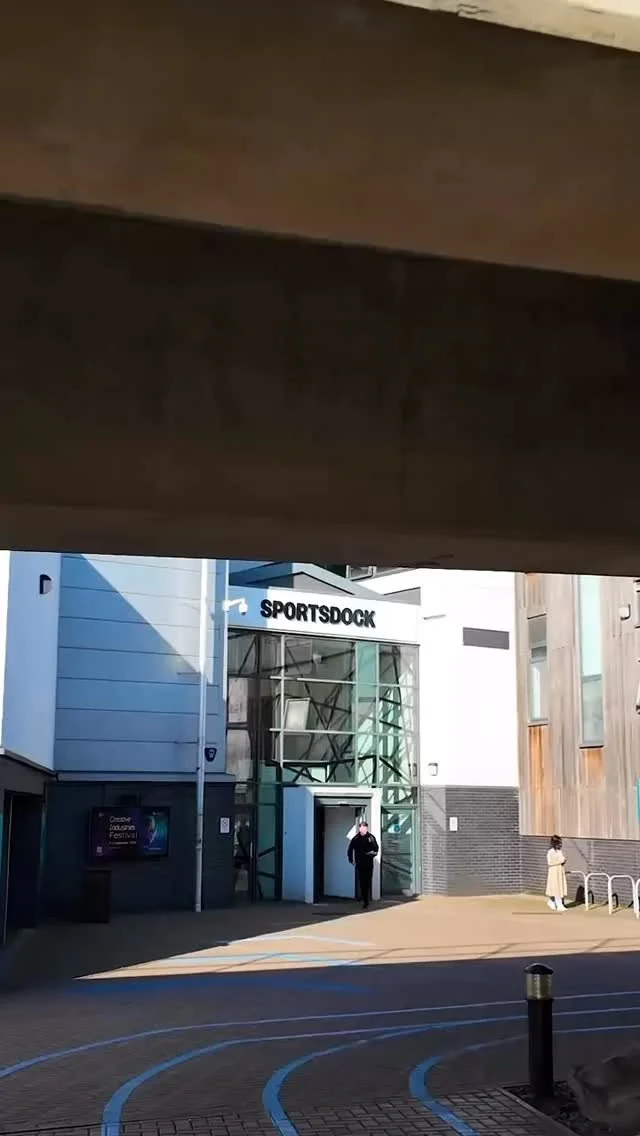
SportsDock |
SportsDock |

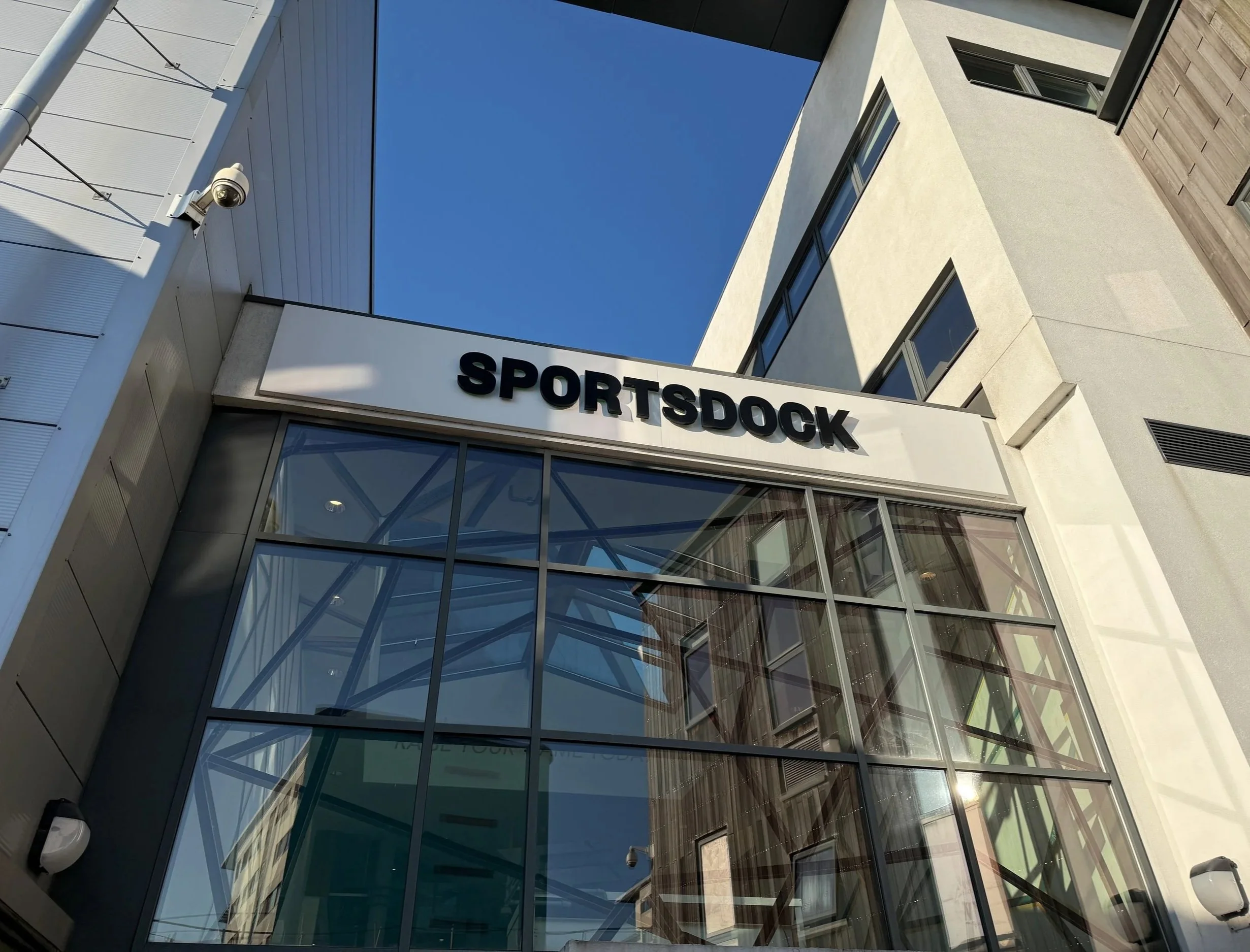
SportsDock
Multi-purpose sports complex
(Re-Brand, membership and revenue growth and market recovery)
Where most marketers would have just said "the system was broken," I helped diagnose the structural failure, and implemented a recovery plan.
Leading the reputation recovery and re-brand for a £21m sports facility following technical service disruptions, decline in revenue from public memberships
Piloting a Web Live ChatBot to optimize community response times and launched a dedicated Instagram sub-brand (400 new followers in Month 1)
Rebuilding trust, fixing broken systems, and growing public membership
Situation
In early 2025, after a departmental restructure, SportsDock entered a difficult period that directly affected marketing performance and income.
We lost manual access to our existing social media community,
experienced a data synchronisation failure between XN Leisure Hub and Microsoft Dynamics CRM, and were left without a reliable way to communicate with or track public members.
This created a communication vacuum. Public membership was declining, revenue dropped by around £15k, and we were on track to miss our £1.2m annual income target by £3–4k per month. On top of this, there was a long-standing misconception that SportsDock was only for students and staff, which limited public growth.
Where it would have been easy to say “the system is broken”, I chose to diagnose the structural failure and rebuild the marketing foundations while continuing to operate live campaigns.
Task
My role was to lead all marketing and communications for SportsDock during this recovery period.
My goals were to:
Stabilise reputation and restore public trust
Correct the misconception that SportsDock was not open to the public
Reverse public membership decline and return to year-on-year growth
Build a repeatable, scalable acquisition message that staff and members could explain easily
Deliver growth without full CRM automation for public conversion
Protect the £1.2m income target
Success was measured through:
Net membership growth
Year-on-year comparison
Income resilience
Engagement and participation
Action
Action (strategy, decisions, and execution)
Strategic decision 1: one core message
I deliberately shifted the approach away from transactional gym marketing toward a community-led, active health position.
I pushed back on running multiple offers and short-term campaigns.
I introduced one non-negotiable core message for all public marketing:
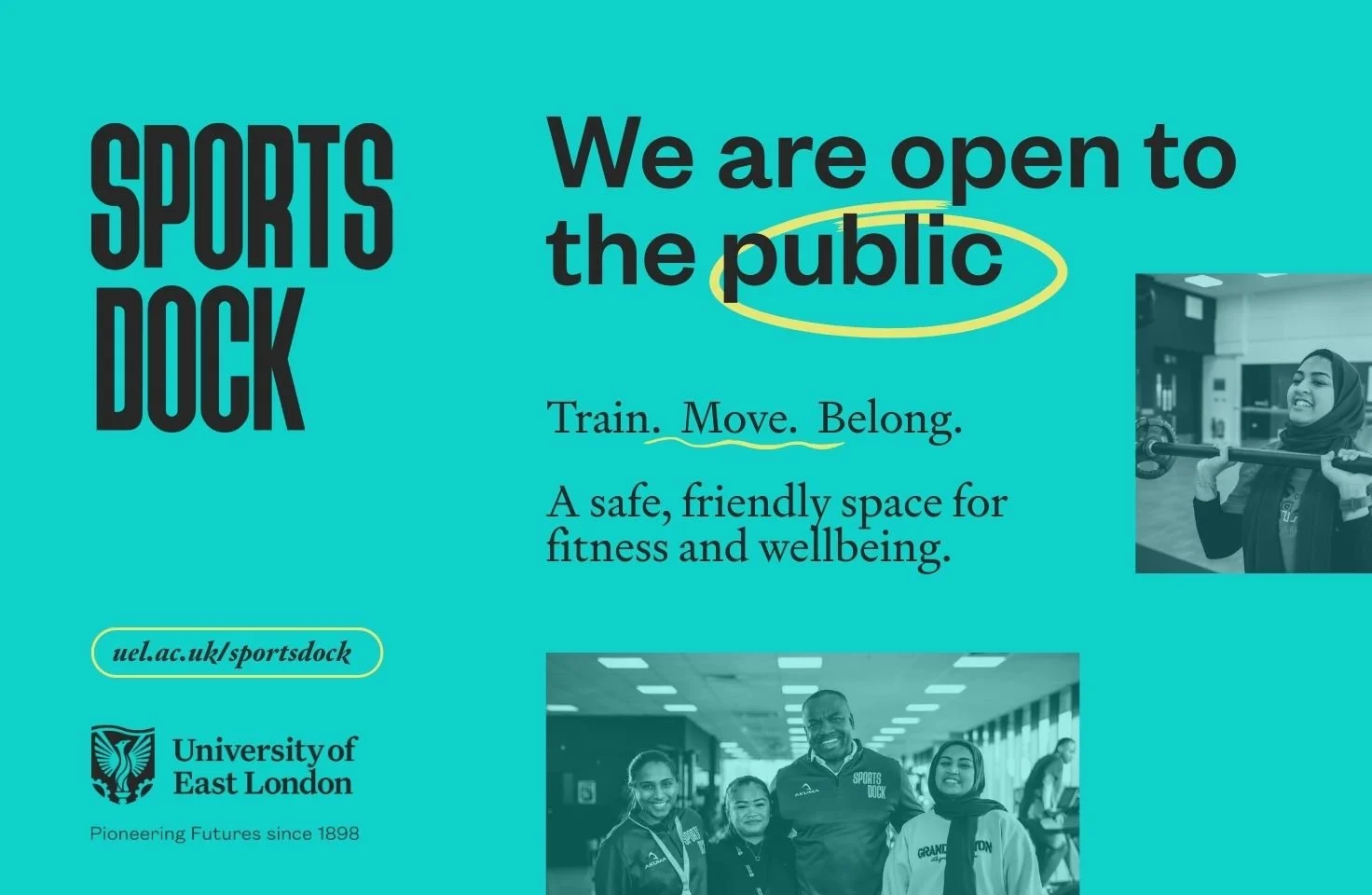
SportsDock is open to everyone.
“We are a welcoming, inclusive space for the local community to improve physical and mental health.”
This message stayed the same across:
Social media
Paid ads
Website
Tours and enquiries
In-center conversations
Nothing else mattered if this was not clear.
Strategic decision 2: consistency over creativity
I decided that repetition mattered more than novelty.
Instead of launching new ideas every month, I built a single
participation system that everything fed into:
Refer a friend
Guest passes
Limited free day passes
This worked because:
Staff only had to remember one system
Members could explain it in one sentence
Marketing could scale without rewriting messages constantly
I learned that volume growth only happens when people hear the same thing often enough to trust it.
Fixing the foundations
At the same time as running campaigns, I led work to fix the foundations.
Regaining community access through a new social channel - I launched a new SportsDock Instagram account from scratch to regain community management, gaining 300 followers in the first 30 days
Fixing CRM and communications workflows - I worked with technical teams to resolve Azure Logic Apps issues and move communications into Real-Time Marketing journeys from outbound marketing and re-integrate the SportsDock booking system XN LeisureHub with CRM Dynamics 360 to generate unique segments.
I piloted a live AI chatbot to support enquiries and reduce pressure on front-desk staff
Aligned sales and front-of-house teams on one message
This allowed us to move from static emails to more responsive communication, even with system limitations.
Channel choices and why I used them
Analogue channels
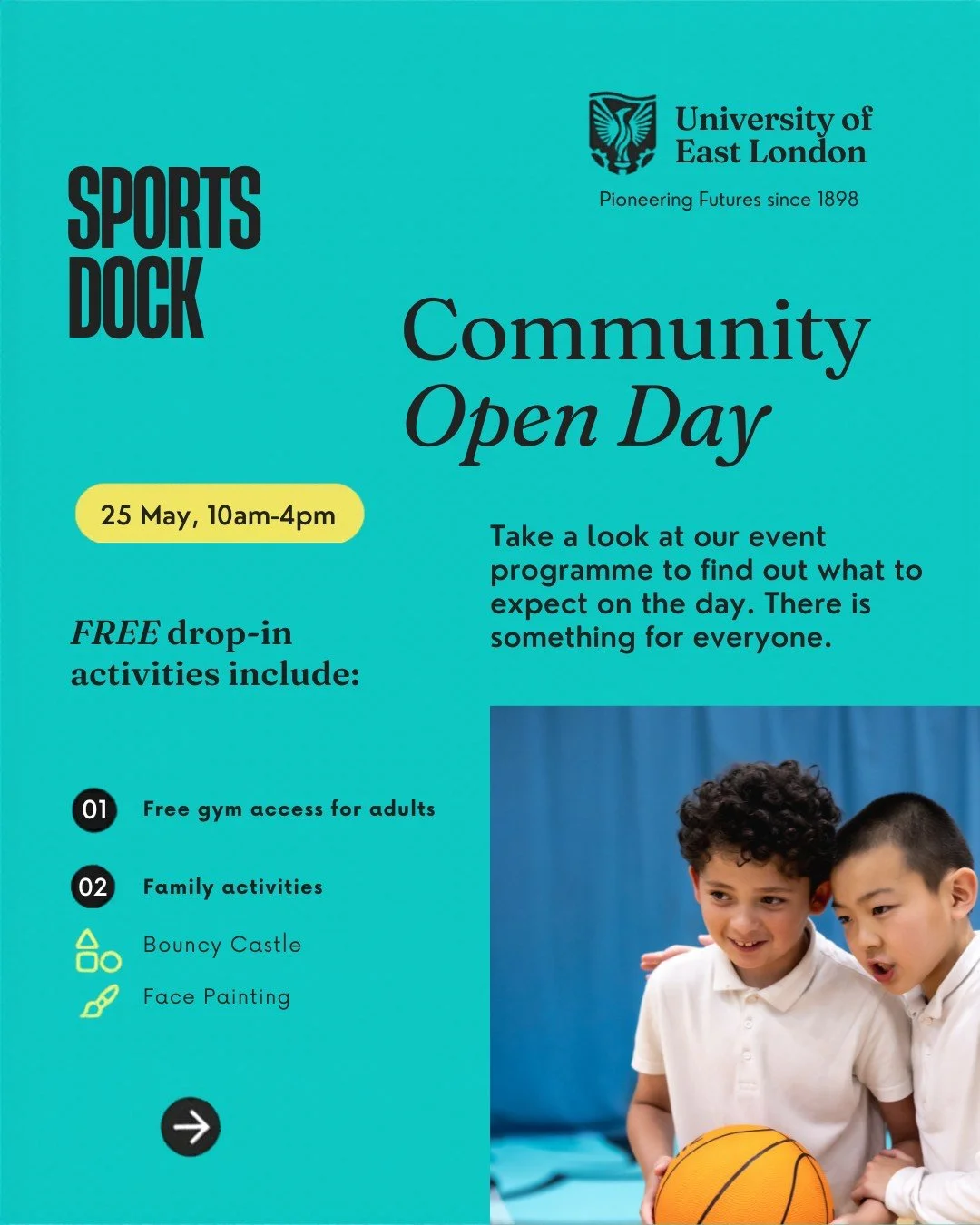
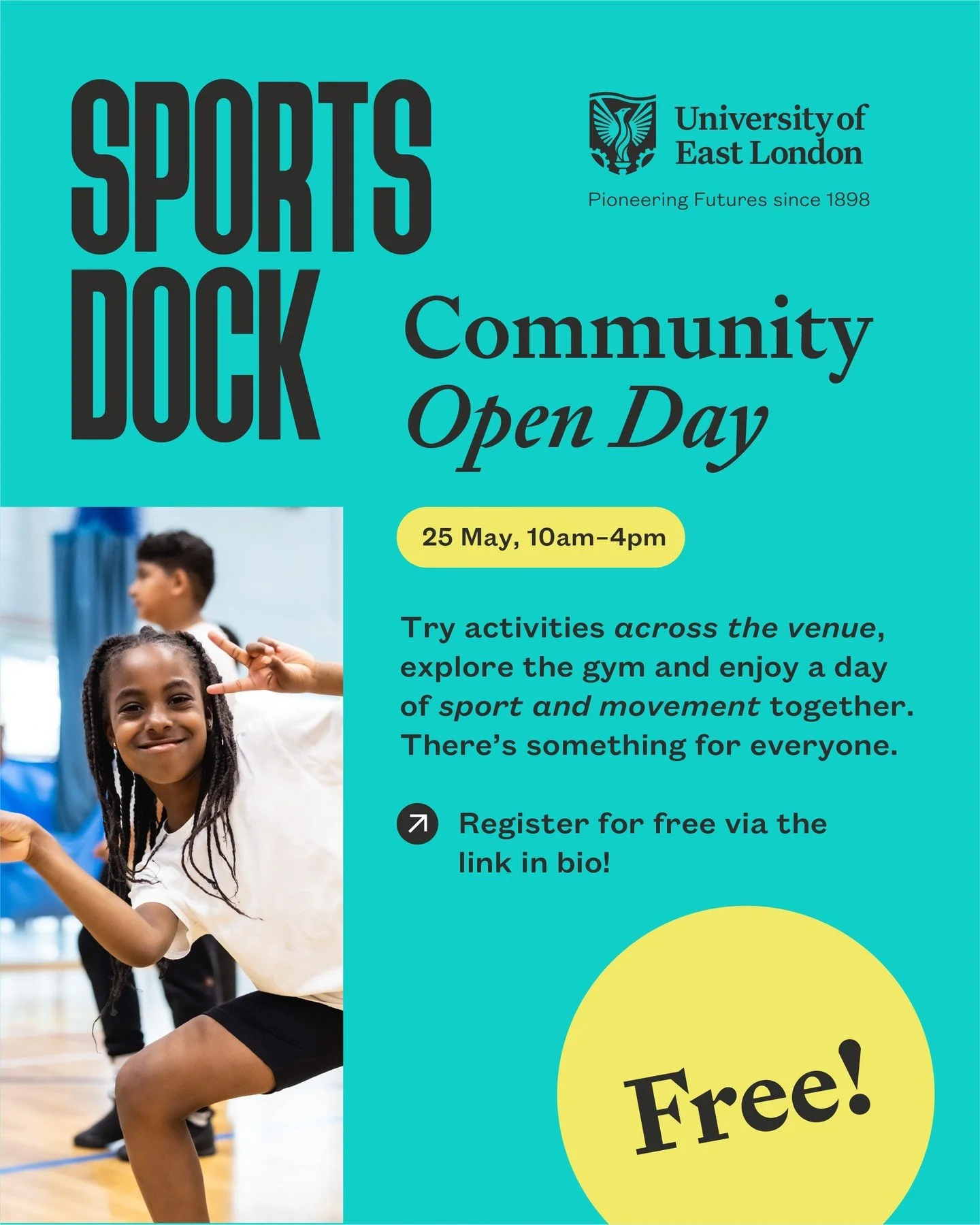
Flyers, posters, banners, information booths, welcome talks and lecture presentations were used because public members still discovered the facility physically and locally.
Digital channels
Microsoft Dynamics email for lifecycle communication
SportsDock social media for community and visibility
UEL main social media for reach and credibility
Paid Google and Meta ads to capture intent and correct perception
Website and LED screens for clarity and consistency
Paid media was tracked using UTMs and GA4, with key events imported as conversions. I treated this data as intent signals - directional, not perfect, due to CRM constraints.
Messaging shift: from gym to community
I led a full copy and tone reset.
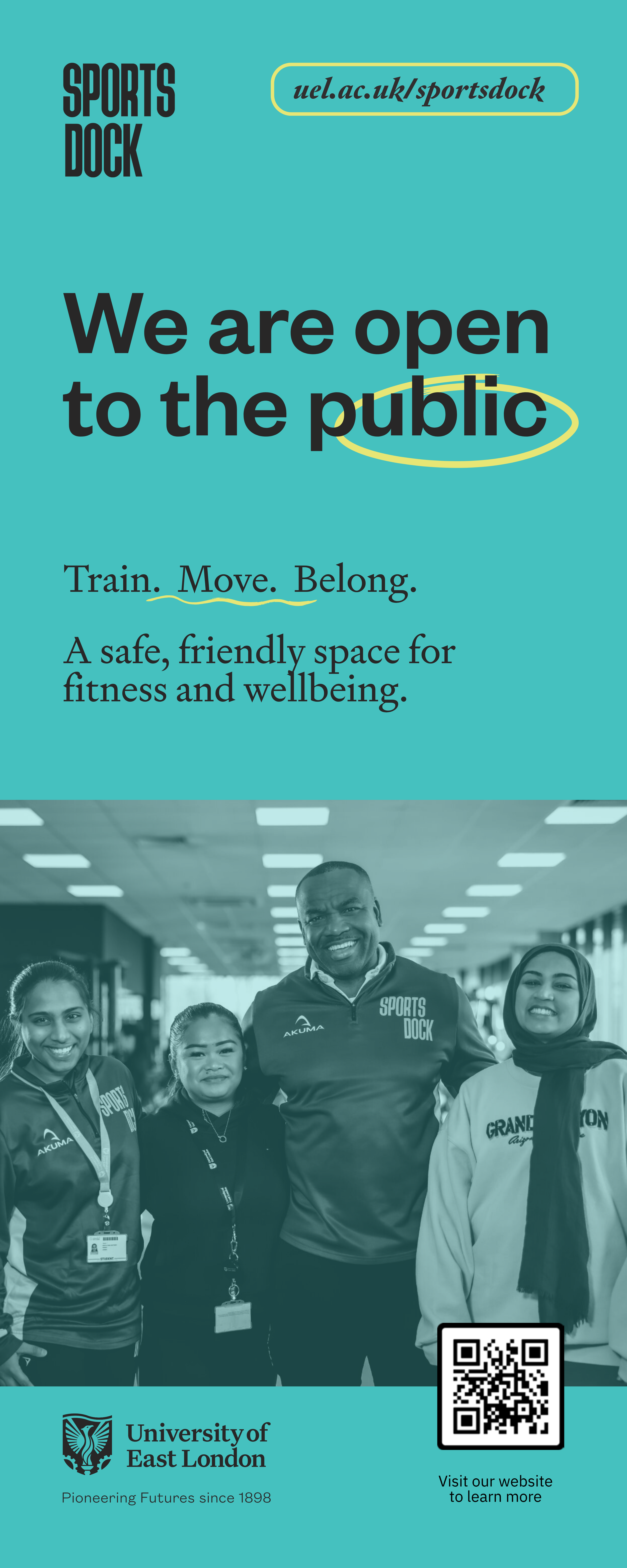
Why this change was needed - There was a misconception that the Sports Dock is only open to university staff and students and we wanted to change that through our Marketing. We want the messaging to say - Sports Dock is open to Public.
Re-brand Sports Dock as a community, inclusive gym open to everyone instead of promoting it as a high-performance facility only available to elite athletes and scholars.
New Core message (anchor for all channels) -
Sports Dock is open to everyone.
We are a welcoming, inclusive space for the local community to improve both physical and mental health. You don’t need to be a student or staff member to train here.
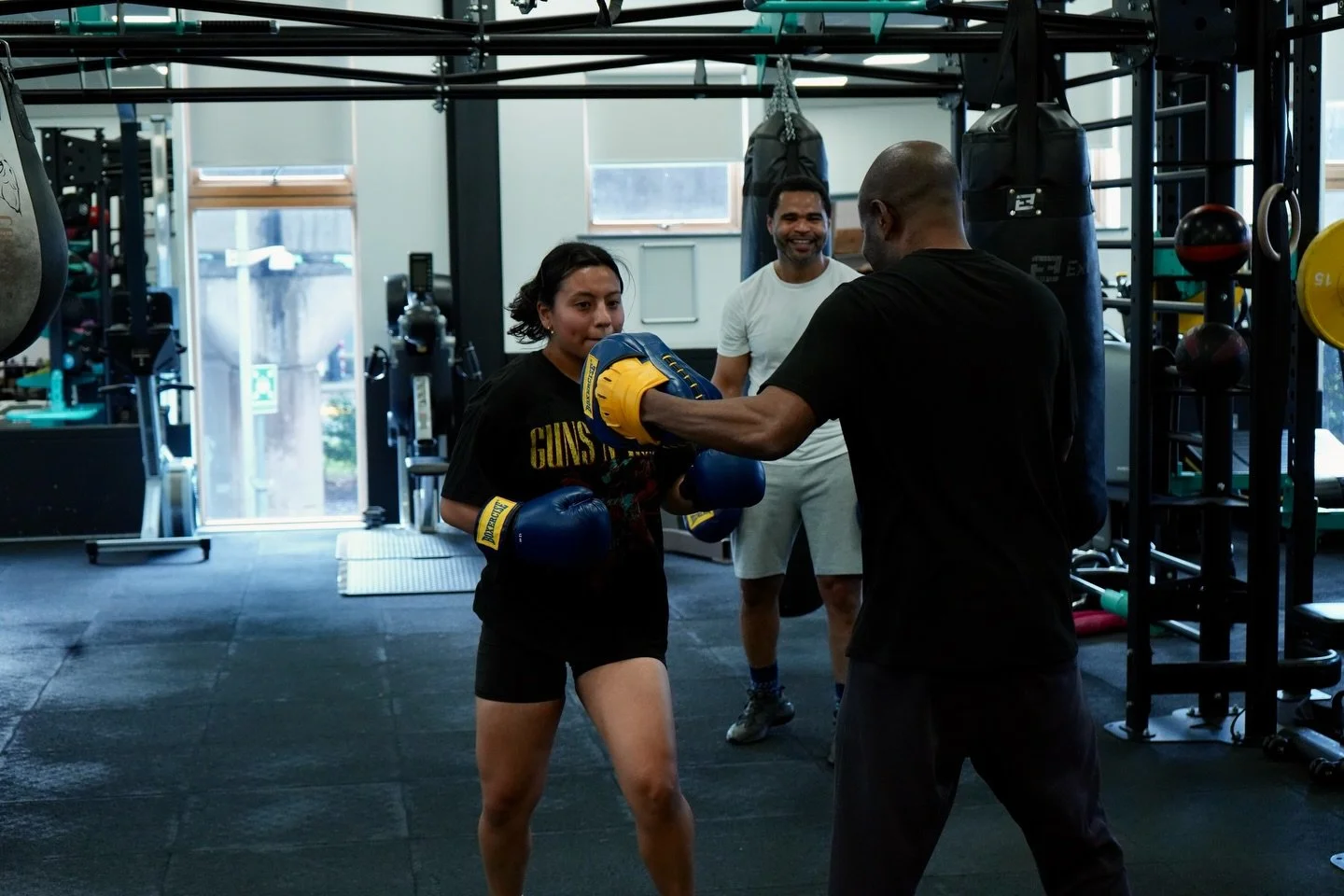
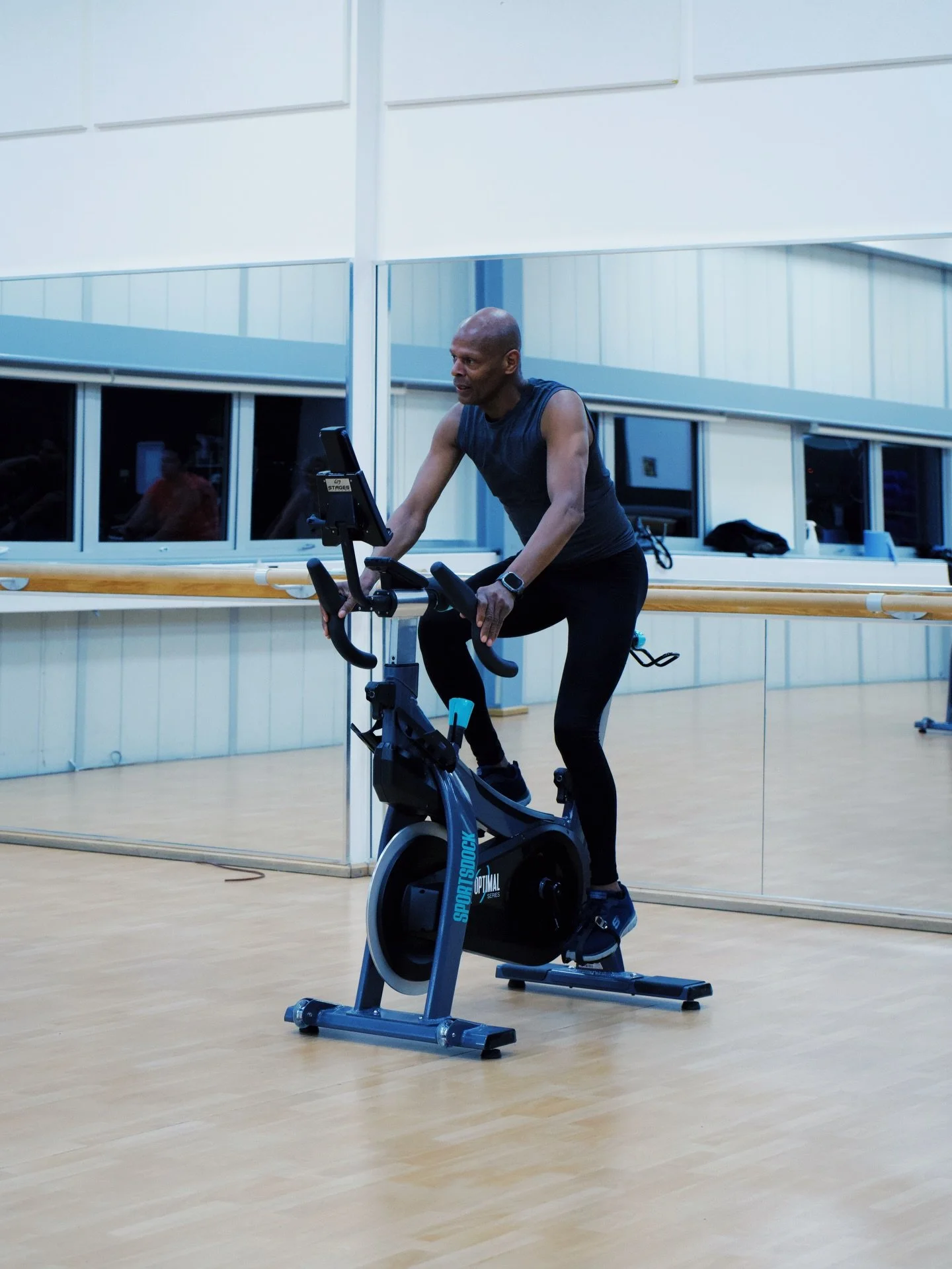
Our team and members create a safe, friendly environment whether you prefer to train independently in the gym or take part in our exercise classes. We also work with local sports clubs and businesses to make SportsDock an inclusive place for all.
SportsDock is open to the public and here to support your health, fitness and wellbeing.
We promoted:
Belonging and community
Support at every stage
Movement over perfection
Physical and mental wellbeing
For current members, the message shifted to participation:
Help grow the SportsDock community and win rewards.
Referrals, guest passes and free day passes were unified under one system to reduce confusion and increase advocacy.
Stakeholder management and collaboration
I worked across sales, operations, digital, IT and senior leadership. I regularly pushed back when ideas conflicted with the core message or added unnecessary complexity.
This was not always comfortable, but it was necessary. Marketing credibility depends on clarity, not consensus.
Audience definition and insight
Primary buyer: public and corporate members
Secondary buyer: students, as a community driver and future advocates
Key insight: public members generate revenue, students generate community and usage. Both are required for a sustainable gym model, but confusing these audiences in messaging diluted acquisition.
Another critical insight was behavioural rather than demographic.
I learned quickly that the issue was not a lack of ideas. It was too many ideas, changing too often, with no consistent message.
Offers changed monthly. Messaging shifted by channel. Staff explained things differently. Marketing assets became outdated almost immediately. This confused members and slowed growth.
I decided to simplify everything.
Constraints and challenges
Confusion around “open to public” messaging
Sales processes not aligned to campaign timing
No CRM automation for public conversion
Capacity split across multiple major campaigns beyond SportsDock
I mitigated these by simplifying messaging, aligning staff conversations and focusing on signals we could reliably measure.
Business impact
Revenue resilience: Predicted a total year-end income of £1.203 million, achieving a £17k increase on the previous year despite the loss of legacy partner income.
Growth metrics: Secured a 47 percent increase in Active Campus involvement (1,038 students) and a 3 percent increase in total gym visits.
Operational efficiency: Reduced casual expenditure to just 8 percent of the previous year’s totals through process automation and tighter budget oversight.
Professional recognition: Nominated for the 'In Service Excellence' award for maintaining zero operational downtime during this critical change management period.
Human impact
We prioritised health gain for learning gain. By fixing the customer journey, we made the gym a welcoming space for over 4,400 students who signed up for free memberships. The human touch was restored: our "Active Campus" hikes saw a 47 percent increase in participation, helping students from 160+ nationalities build deep social bonds and combat loneliness through movement.
Results
I launched a new Sports Dock Instagram sub-brand from scratch, regaining community management and growing to 300 followers in the first 30 days.
I led the resolution of Azure Logic Apps issues, moving communications into Real-Time Marketing journeys.
I piloted a live chatbot to support 24/7 engagement and reduce front-desk pressure.
Paid media campaigns ran alongside on-site activity, tours and word-of-mouth, all reinforcing the same message.
Despite structural disruption, results were positive and credible.
Public membership increased year-on-year from 873 (Jan 2025) to 975 (Jan 2026)
Total gym membership grew from 3,411 to 3,867
We moved our membership base from 1,134 to 1,300 in six months, generating approximately £18k in additional income
Predicted year-end income reached £1.203m, a £17k increase on the previous year
4,400 students signed up for free memberships, strengthening community and usage
Active Campus participation increased by 47 percent, supporting wellbeing and social connection
I was nominated for an In-Service Excellence award for maintaining zero operational downtime during this period of change.
Reflection
I learned that marketing leadership is not about producing more campaigns. If I were to do this again, I would push harder earlier for technical readiness and ownership.
The biggest lesson was that growth does not come from more ideas.
It is about making fewer decisions and protecting them under pressure.
This project was not just about promotion. It was about diagnosis, discipline and judgement.
I rebuilt trust, simplified complexity, and led marketing through a live operational failure while still delivering growth.
Active health. Real people. Every day.